
How to Choose the Right Storage Unit Size for Your House Move
Moving house is a big change, but it does not have to become a full-scale game of Tetris with wardrobes. The right house move storage unit gives you breathing space between selling and completing, moving out and moving in, or leaving one property while your new home is being decorated.
The key question is simple: what size storage unit do you need?
Whether you are searching for “what size storage unit for a 3-bed house?” or “self storage units near me”, this guide will help you estimate the space you need, pack efficiently and avoid paying for more storage than necessary.
The quick answer: what storage unit size do you need?
As a general UK guide, assuming you are storing most of your furniture and belongings:
You may need to move towards the upper end if you have a garage, shed, loft, large garden furniture, American-style appliances or bulky items such as gym equipment.
These are starting points rather than exact rules. The amount you own matters more than the number of bedrooms. A minimalist three-bedroom flat may need less space than a very full two-bedroom house with a garage.
Right space. Less stress. Sorted.
Step 1: Decide what is actually going into storage
Before choosing a unit, make a clear list of what you plan to store.
House move storage can act as a useful bridge or stop-gap when your moving dates do not line up. You might store everything for a few weeks, or only the items that are making your home difficult to sell, renovate or live in.
Start by separating your belongings into three groups:
Going into storage: furniture, boxes, seasonal items and belongings you cannot take to the new property yet
Coming with you: everyday clothes, toiletries, documents and essential kitchen items
Leaving your life: items to sell, donate, recycle or dispose of
Do this before booking your unit. There is no point paying to store a broken exercise bike that has not been used since 2019.
Storage can be particularly helpful if:
You have sold your home but are waiting for completion
Your new property needs painting, flooring or other work
You are moving into temporary rented accommodation
You are downsizing and need time to decide what will fit
You want to declutter before viewings
Your exchange or completion date changes unexpectedly
For more ideas, read Why Storage is the Moving Hack You Need.
Step 2: Use a room-by-room sizing guide
Counting rooms is useful, but counting the contents of each room is even better. Walk through your home with a notebook or your phone and list the larger items first.
Studio flat: around 25–35 sq ft
A studio usually needs a smaller unit if it has been sensibly decluttered and packed.
You may be storing:
Double bed or sofa bed
Wardrobe and chest of drawers
Small sofa or armchair
TV stand and television
Compact dining table
Kitchen equipment
Around 10–20 boxes
A 25 sq ft unit is approximately the size of a large walk-in wardrobe. If your studio is fully furnished or you want easier access, consider moving towards 35–50 sq ft.
1-bed flat: around 35–50 sq ft
A typical one-bedroom flat may include:
Double bed and mattress
Wardrobe and bedroom furniture
Sofa and coffee table
Small dining table and chairs
Television and shelving
Washing machine and other appliances
Around 20–35 boxes
A 35 sq ft unit may suit a lightly furnished one-bedroom flat. Choose closer to 50 sq ft if you have large wardrobes, a generous sofa or plenty of packed belongings.
2-bed flat or house: around 75–100 sq ft
For a two-bedroom property, think about storing:
Two beds and mattresses
Wardrobes, drawers and bedside tables
One or two sofas
Dining table and chairs
Bookcases and cabinets
Kitchen appliances and white goods
Bikes, tools or small garden items
Around 35–60 boxes
A 75 sq ft unit can work well for a modestly furnished two-bedroom flat. A 100 sq ft unit is more appropriate for a full two-bedroom house, particularly if you are including loft, shed or garage contents.
3-bed house: around 120–160 sq ft
For a standard three-bedroom house, you may need space for:
Three beds, mattresses and bedroom furniture
Wardrobes and chests of drawers
Sofas, armchairs and living room furniture
Dining table and chairs
Bookcases, sideboards and storage units
Fridge freezer, washing machine and other appliances
Garden furniture, bikes and tools
Around 60–100 boxes
A well-packed three-bedroom home may fit into approximately 120–150 sq ft. If you have a full garage, shed or loft, a large corner sofa, extensive garden furniture or want an access aisle, you may need around 160 sq ft or more.
Ease the Squeeze offers a range of unit sizes, including options comparable to a large garage or 20-foot shipping container. Availability and sizes vary by location, so our friendly team can help you check the most practical option.

Step 3: Measure your bulky furniture first
Boxes are relatively easy to stack. Sofas, wardrobes and dining tables are less cooperative.
Make a separate list of your largest items and ask:
Can the item be dismantled?
Can it be stacked safely?
Does it have an unusual shape?
Does it need protective wrapping?
Will you need to access it before the end of your storage period?
Pay particular attention to:
Corner sofas
Four-poster or super king-size beds
Large wardrobes
Piano or antique furniture
American-style fridge freezers
Treadmills and gym equipment
Garden sheds, play equipment and workbenches
If you are between two sizes, the next size up is usually safer than discovering on moving day that your unit has become a furniture-based game of Jenga.
At the same time, do not automatically rent the biggest unit available. Efficient packing can save you money every week.
Step 4: Pack efficiently to avoid a bigger unit
Good packing is not just about protecting your belongings. It also helps you use every cubic metre of your unit.
Use boxes of similar sizes
Uniform boxes stack more securely and leave fewer awkward gaps. Avoid relying on bin bags for anything fragile or heavy. They are difficult to stack and can make finding items later much harder.
You can buy packing boxes and wrapping materials from Ease the Squeeze, making it easier to prepare everything before your move.
Fill boxes properly
Part-full boxes collapse when stacked. Overfilled boxes become impossible to lift.
Put heavier items at the bottom
Fill gaps with paper or protective material
Keep books in smaller boxes
Use larger boxes for lighter items such as bedding and lampshades
Clearly label every box by room and contents
Dismantle what you can
Take apart bed frames, tables, shelving and wardrobes where practical. Keep screws and fittings in labelled bags and tape them securely to the relevant item.
Wrap furniture to prevent scratches, but avoid sealing items while damp. Everything should be clean and completely dry before it goes into storage.
Stack upwards safely
Storage units have valuable vertical space. Place heavier boxes at the bottom and lighter boxes on top. Keep fragile items away from the base of tall stacks.
If you need regular access, leave a narrow aisle or create a route to the items you are most likely to need. An aisle may mean choosing slightly more space, but it can save you from unloading half the unit to reach one box of winter coats.
💡 Pro tip: Label boxes with both their destination room and priority. For example: “Kitchen – open first” or “Bedroom – long-term storage”. Your future self will be delighted.
Pack high. Label clearly. Find everything.
Step 5: Choose between compact and accessible storage
The smallest possible unit is not always the most convenient unit.
If your belongings will stay untouched until completion day, you can pack tightly and use the full height of the space. But if you expect to visit the unit during your move, you should allow room to reach important items.
Choose a little more space if you need to access:
Important paperwork
Work equipment
Children’s belongings
Seasonal clothing
Cleaning supplies
Furniture needed before completion
Boxes for different stages of your move
Ease the Squeeze offers secure storage with flexible terms, so you can store for as long or as short a period as needed. Depending on availability, you may also be able to change your unit size if your requirements change.
Step 6: Think about transport and collection
You do not have to lift every box yourself.
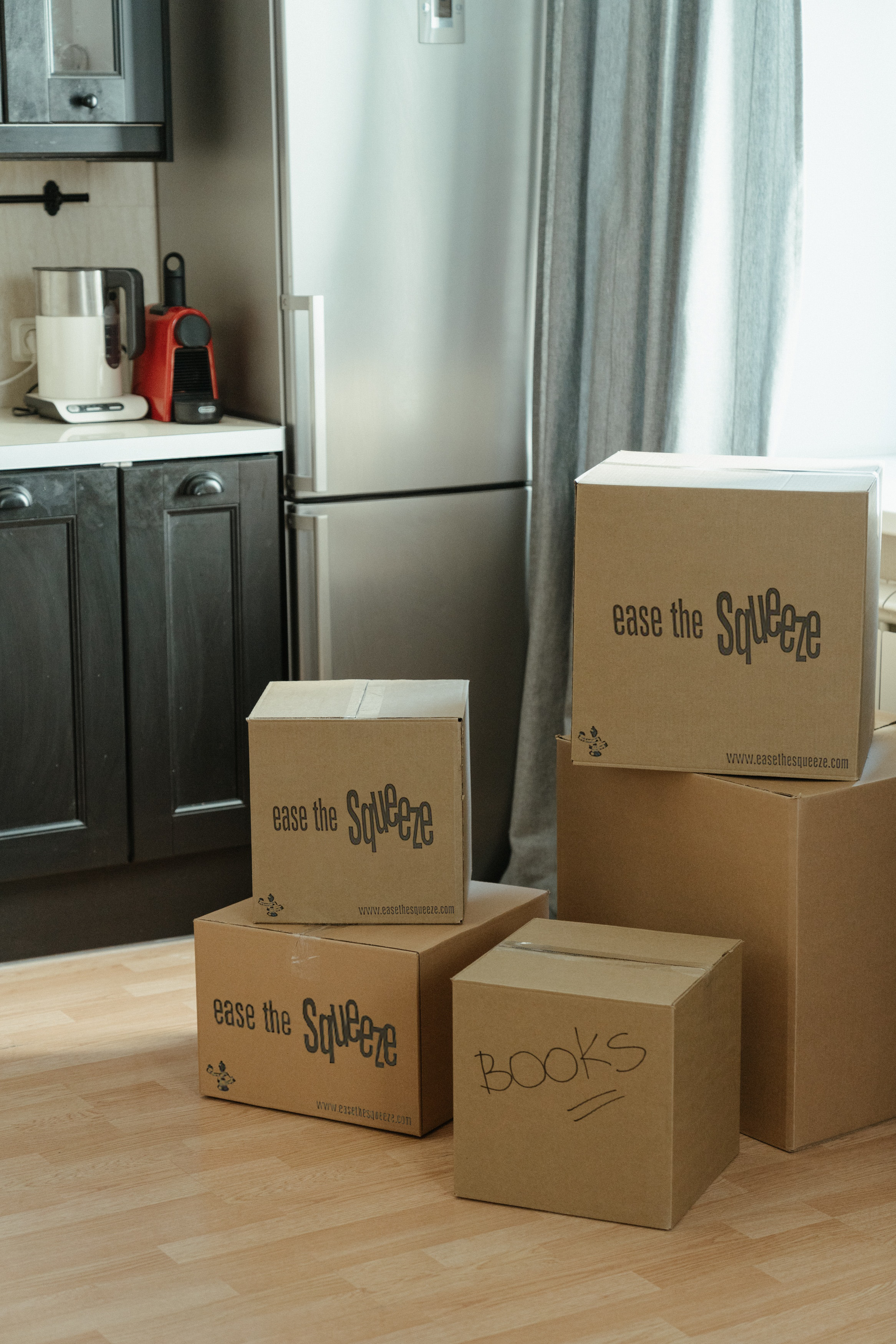
Ease the Squeeze is a self-storage provider, not a removals company, but our collection and delivery service can make getting your belongings into or out of storage much easier. It is the ultimate no-lifting solution for busy movers: we collect your items and deliver them to store, or arrange delivery back when you need them.
This can be useful if:
You do not have a suitable van
You are moving long-distance
You are managing a move around work or childcare
You have heavy furniture
You are moving between properties in stages
Read more about our collection and delivery service.
Step 7: Choose a convenient local storage location
If you are searching for self storage units near me, location and access matter almost as much as price.
Ease the Squeeze has flexible storage options in:
Each site has different unit availability and storage options. Our facilities include indoor units, secure wooden containers and outdoor shipping containers with drive-up access, depending on location.
You can also read Self Storage Edinburgh: The Stress-Free Way to Manage Your House Move for more moving advice.
Book your house move storage with confidence
The right storage unit gives you control when your moving dates, property plans or renovation schedule do not go perfectly. It acts as a secure bridge between homes, helping you move in stages instead of trying to complete everything in one exhausting day.
Ease the Squeeze offers:
Storage starting from £12 per week*
Flexible terms for short or longer stays
Zero hidden fees
A range of unit sizes and storage options
Collection and delivery for a more convenient move
Packing materials available to buy
A 98% recommendation rate
Friendly advice when you are unsure what size you need
The option to book online in minutes
*Prices exclude VAT and vary by location, size and availability.
Get your storage quote or call our friendly team on 0330 678 5150. We can talk through your furniture, boxes and move timeline, then help you choose a practical unit size.
A clear home, a calmer move and a little more breathing room are closer than you think. With a sensible plan and the right house move storage, you can make the transition confidently.
More space. More time. Move easier.